Perched high in Lefkada’s mountainous interior, Eglouvi is a village deeply rooted in the land, the surrounding peaks and the agricultural traditions of its people. To this day, it has preserved a character that is introspective, authentic and remarkably self-sufficient.
The first impression of Eglouvi is strikingly different from the familiar image of an island destination. Here, stone defines the landscape: steep uphill lanes, old houses, vine-covered pergolas, arched courtyard entrances and narrow cobbled passageways.
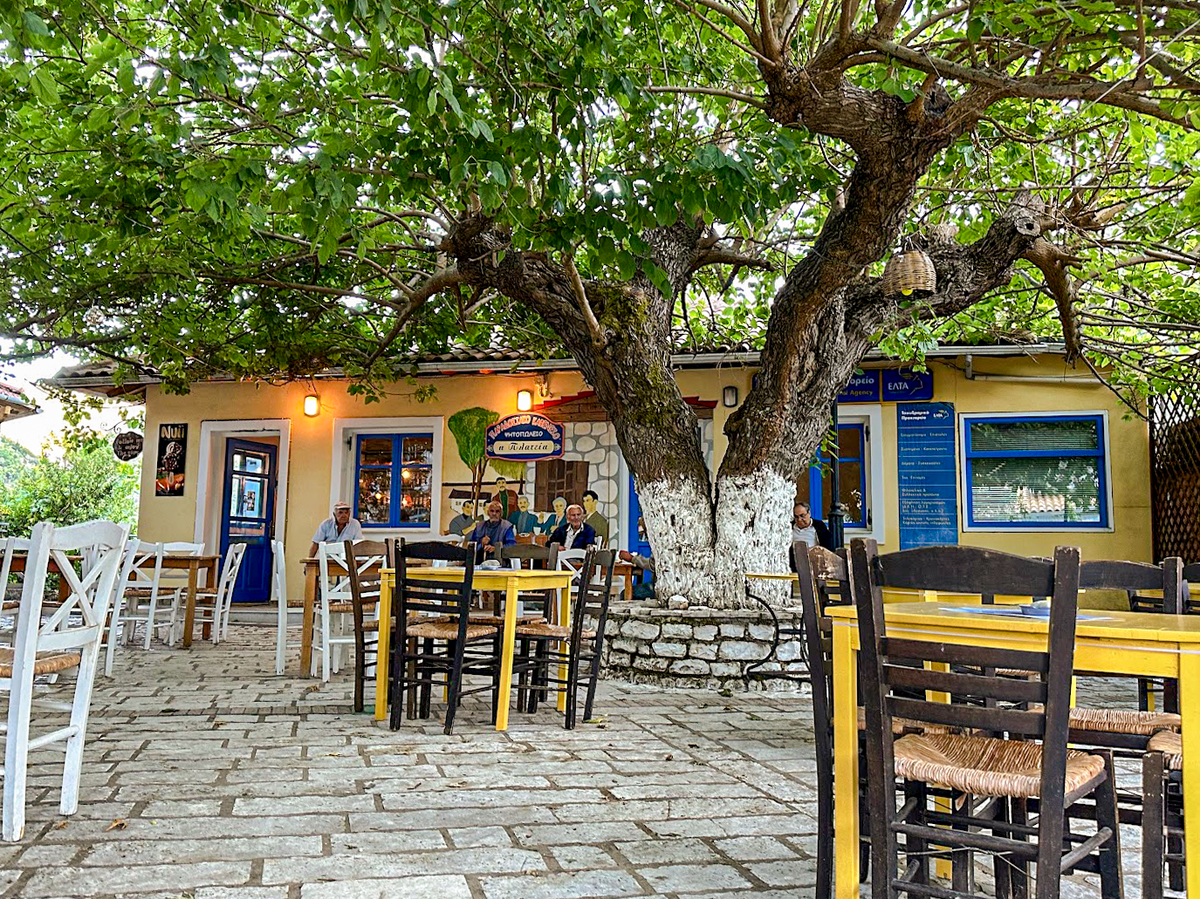
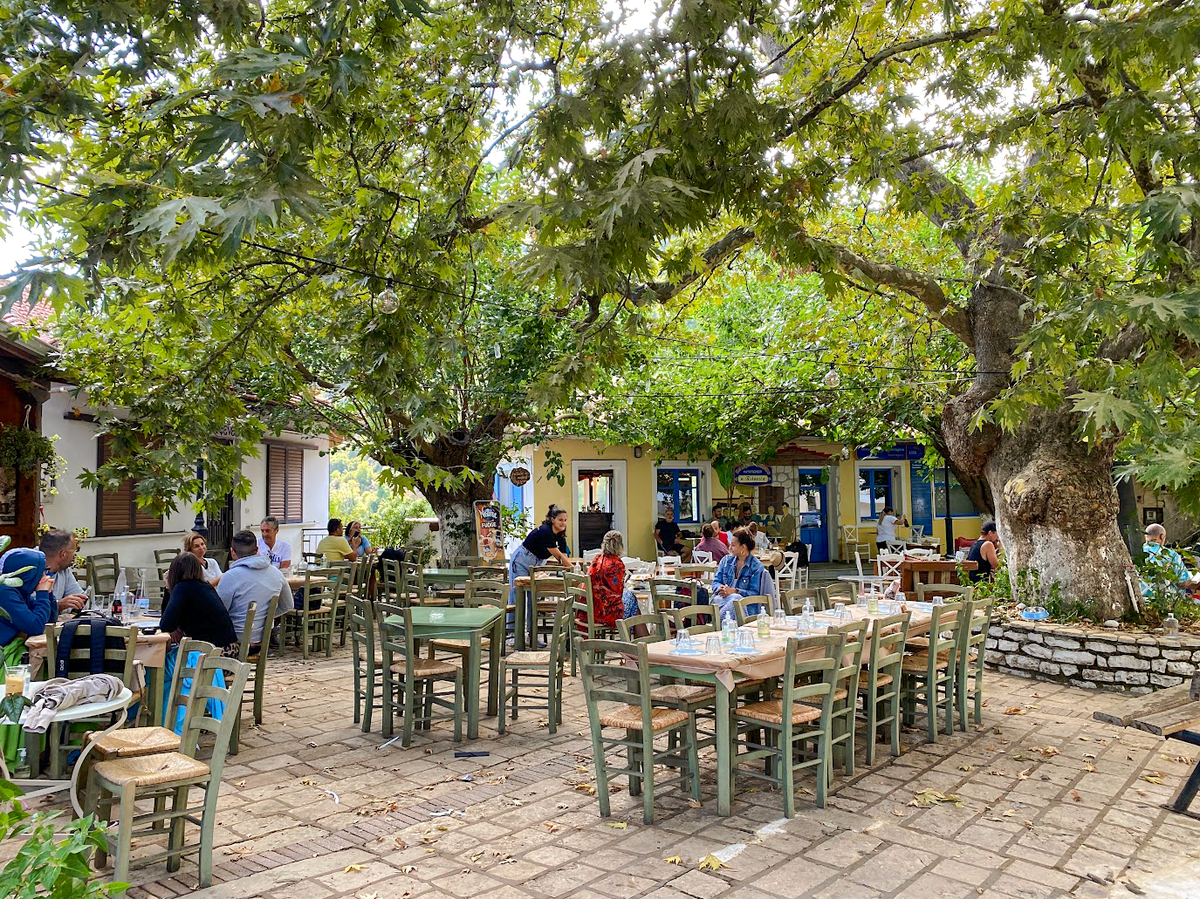
At the heart of the village lies its deeply shaded square, where everyday life still seems to unfold at a slow, almost unhurried and unmistakably traditional pace. Eglouvi does not set out to impress. Its appeal lies precisely in its authenticity and in the fact that it remains a living, working village, far removed from the conventions and standardisation of mass tourism.
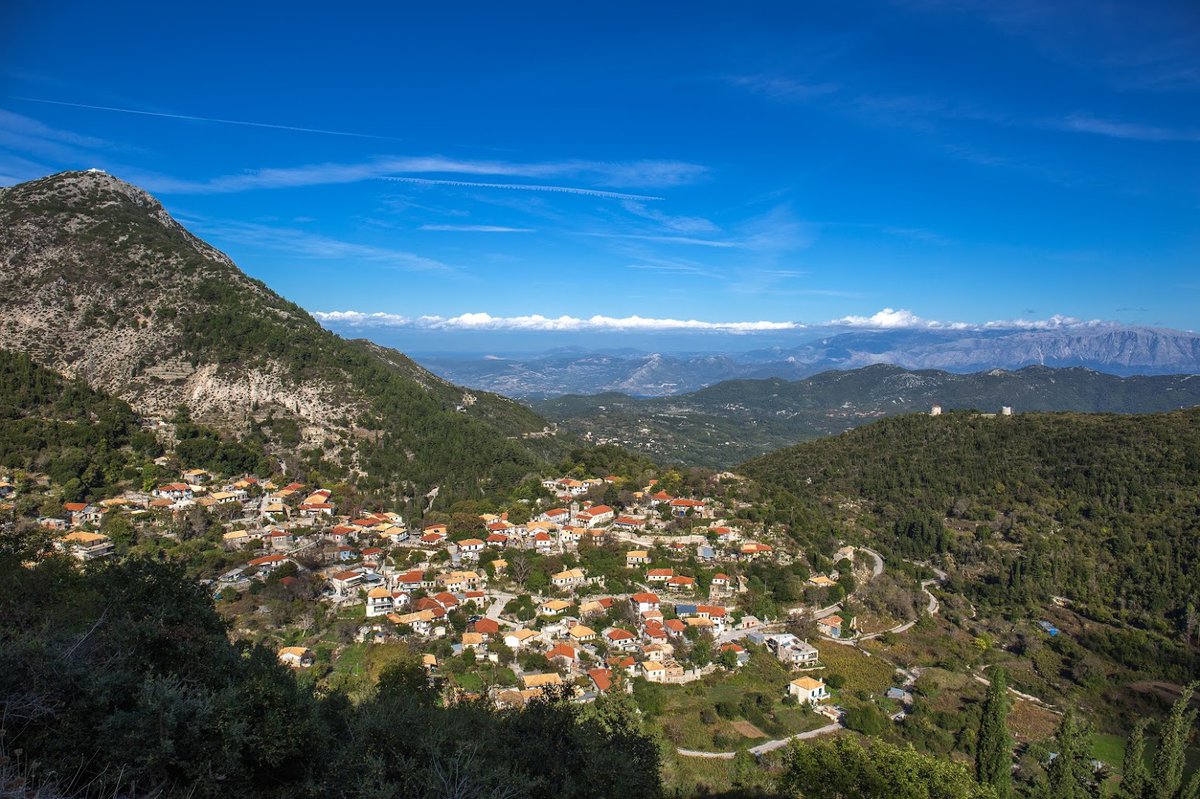
Its location, tucked deep within Lefkada’s interior and sheltered by the mountains that surround it, may also help explain its name, which is often associated with the idea of being “enclosed” or “confined”. Whether or not this etymology is historically accurate, the landscape makes the interpretation easy to understand: Eglouvi appears nestled, almost hidden, in the embrace of the mountains, far from the sea that has come to define so much of Lefkada’s identity.
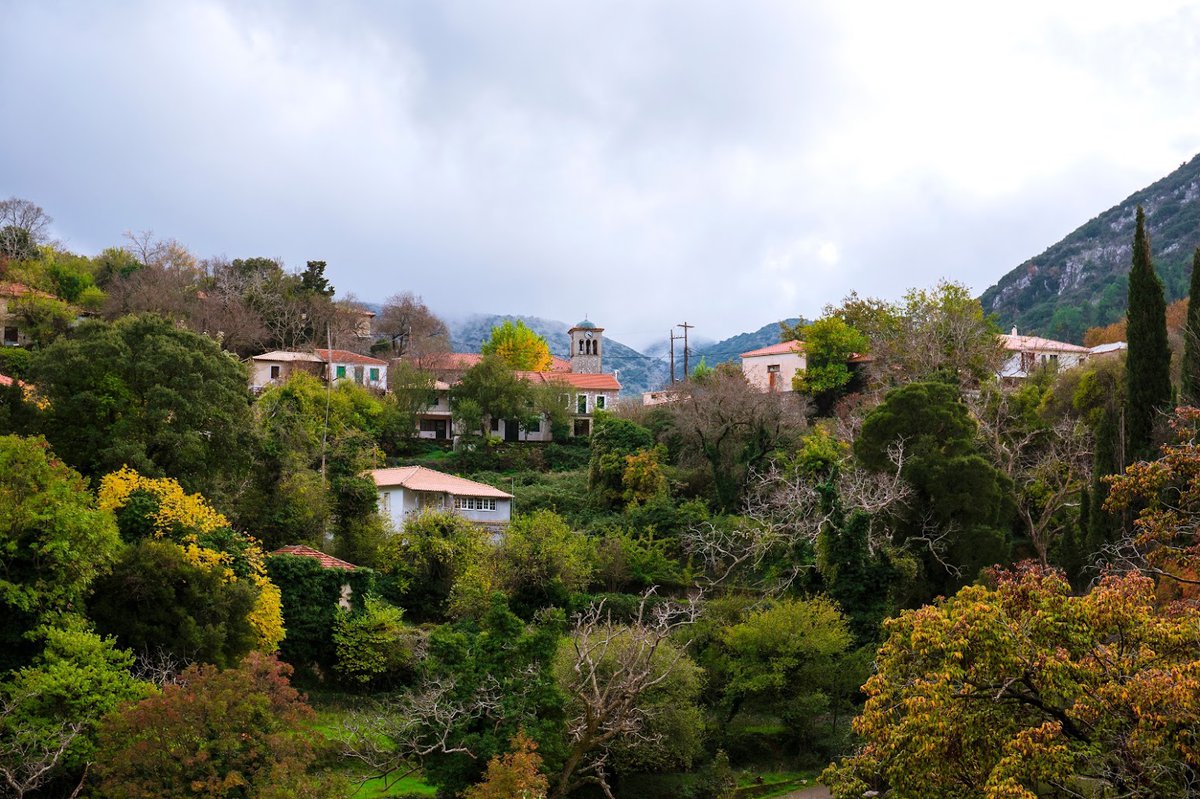
Eglouvi: A Village with Deep Historical Roots
Eglouvi’s history stretches back several centuries. The settlement is thought to have existed as early as the late 15th century, while surviving written records become increasingly frequent from the beginning of the 17th century onwards. The village appears in a deed of sale dating from 1615, a will from 1626 and a notarial document from 1655, while its name can also be found in later dowry agreements, property transactions and wills. In 1687, the Venetian cartographer Vincenzo Coronelli marked the wider area on his map under the name Englouvis, together with the settlement and Agios Donatos.
Even earlier traces of human activity have been identified, according to historical sources, at Palaiochori, around two and a half kilometres south of present-day Eglouvi. Fragments of roof tiles and pottery, as well as a grave, have been recorded in the area. The location of this older settlement, hidden from view from the sea, has been linked to the need for protection from pirate raids, which for centuries posed a constant threat to communities across the Ionian Islands.
Eglouvi’s historical identity, however, is not defined solely by old documents and traces of earlier habitation. It is equally shaped by a strong tradition of collective action and social struggle. In 1930, an Agricultural Union was founded in the village, at a time when issues of land ownership and agricultural production were central to everyday life. The people of Eglouvi had already played an active role in Lefkada’s agrarian movement, while local historical accounts also credit them with an important part in the struggles associated with the creation of TAOL, the Lefkada Winegrowers’ Defence Fund, founded in 1915.
This strong political and social legacy continued to shape the village in the decades that followed. The Communist Party of Greece (KKE) enjoyed such a strong electoral presence in Eglouvi that the village acquired the nickname “Little Moscow”, a name that became closely associated with this small mountain community and its long tradition of solidarity, resistance and collective action.
The Lentils That Put Eglouvi on the Map
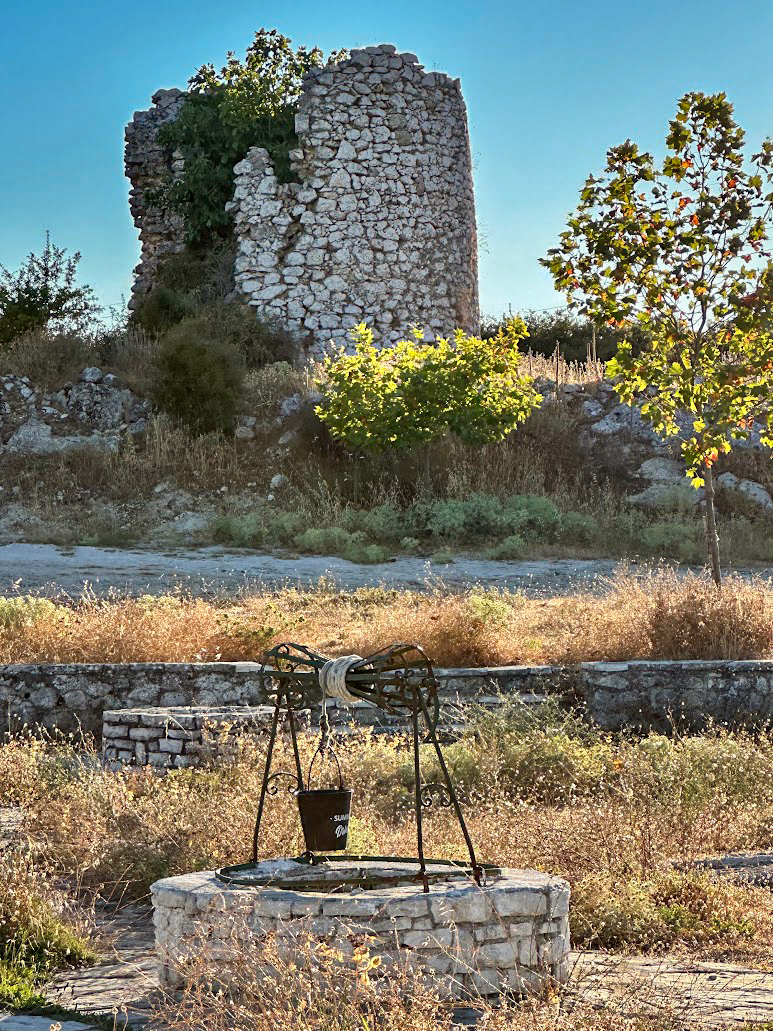
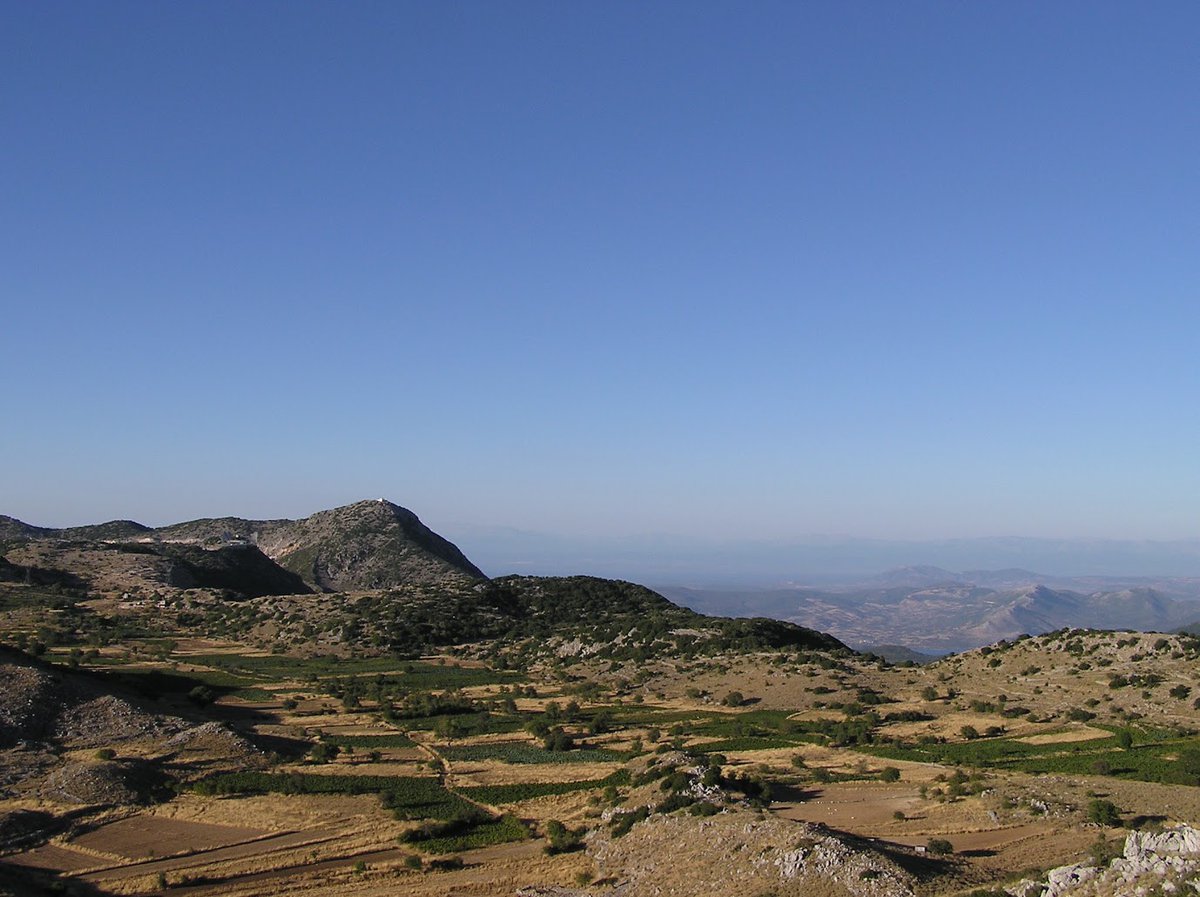
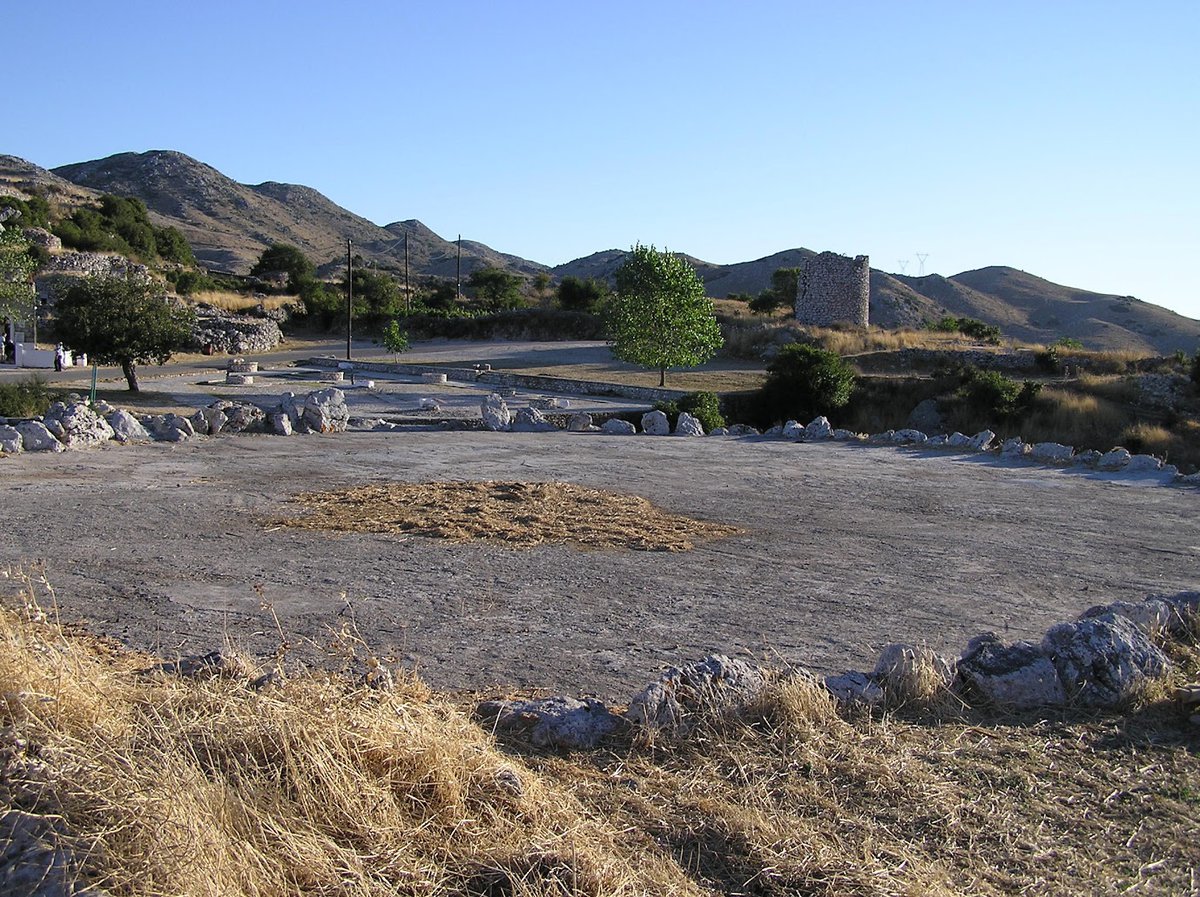
If there is one product that has carried the name of Eglouvi far beyond Lefkada, it is undoubtedly its lentils. Just above the village, on the plateau of Agios Donatos at an altitude of almost 900 metres, lie the celebrated lentil fields. Here, amid a rugged mountain landscape of terraces, dry-stone walls, threshing floors and wells, the small-seeded Eglouvi lentil continues to be cultivated. More than any other product, it has become closely associated with the local economy, everyday life and identity of the village. Its distinctive character cannot be attributed to a single factor. The plateau’s microclimate, the composition of its soil, the preservation of the local seed variety and, above all, traditional cultivation methods combine to produce something unique and exceptionally difficult to replicate elsewhere.
The lentils are small, irregular in shape and varied in colour, with shades of brown predominating. When cooked, they are prized for their delicate skin, relatively short cooking time, naturally creamy texture and rich, full flavour.
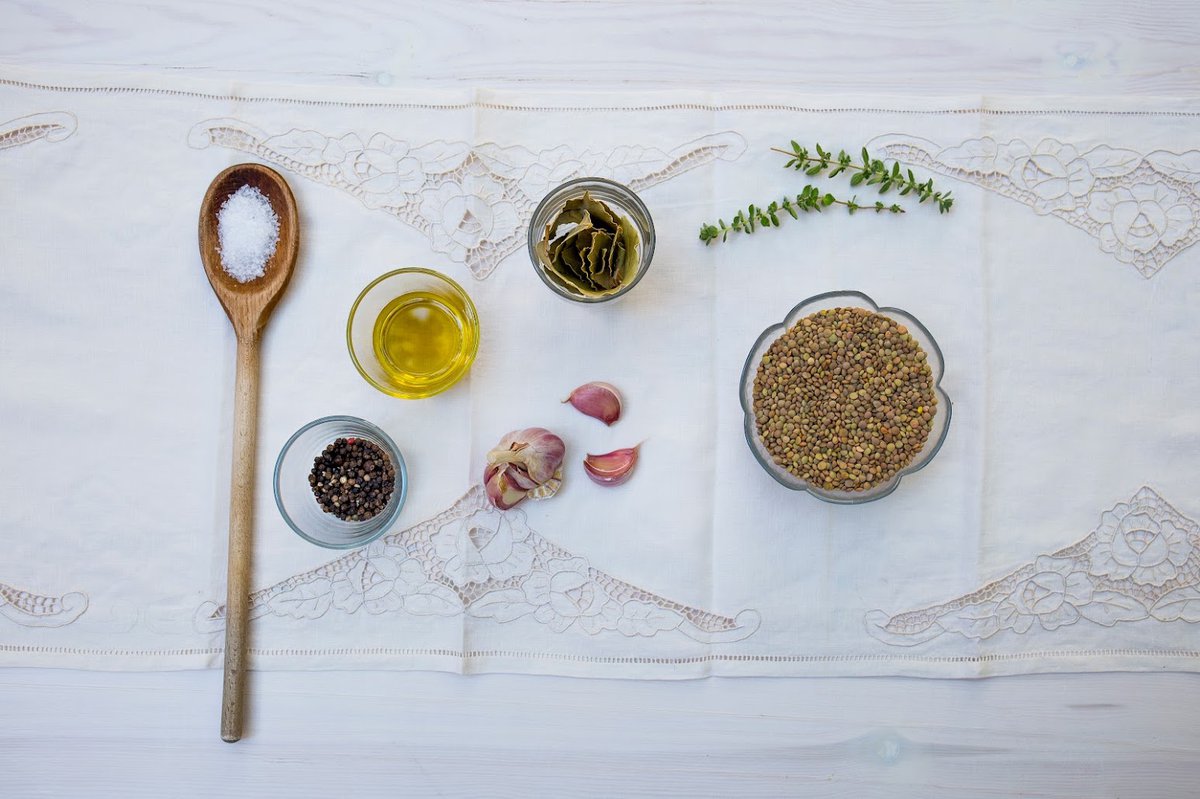
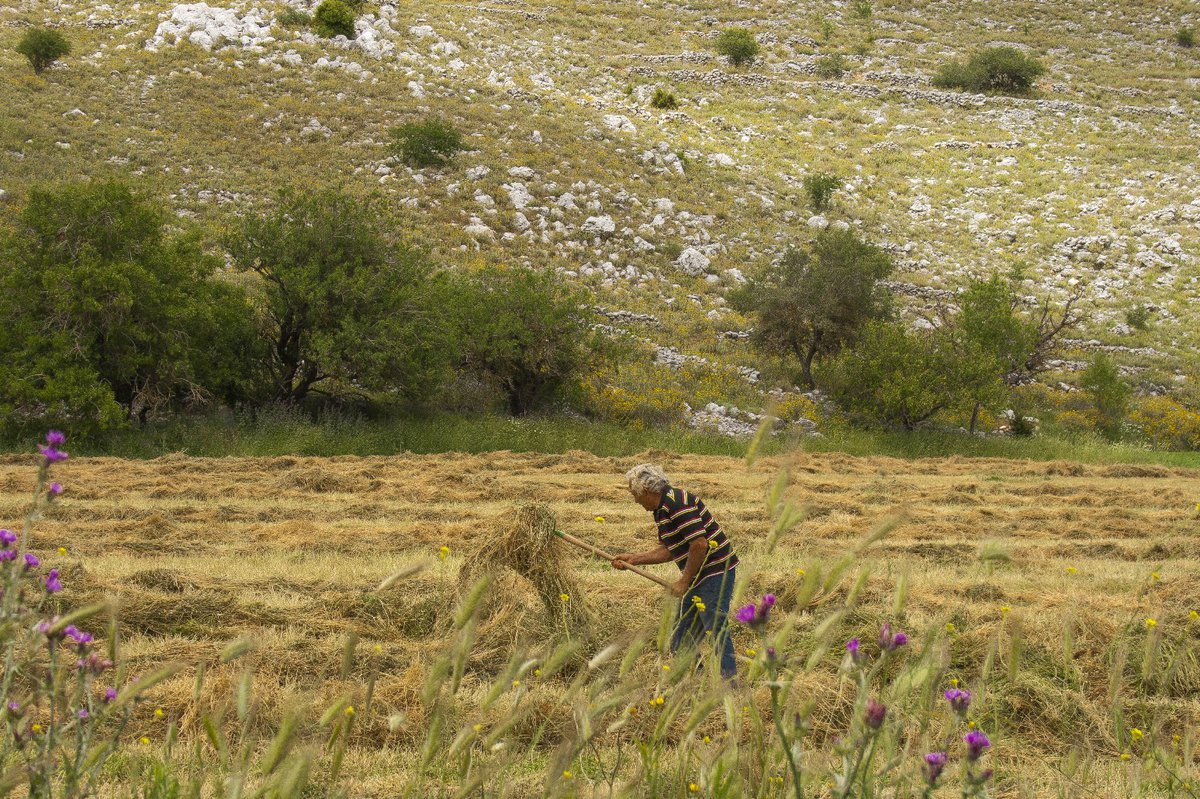
Perhaps even more remarkable is the fact that production still depends to a large extent on manual labour. Sowing takes place, depending on weather conditions, from winter through to early spring. Weeding follows, while harvesting usually begins in mid-June and continues throughout the summer. The plants are uprooted, gathered into bundles and left to dry before threshing and the final cleaning of the crop. It is a cycle of work that continues to carry the knowledge and experience of generations past. In a world where much of agricultural production has become industrialised, the Eglouvi lentil remains a powerful example of a product whose value is inseparably linked to a particular place and to the way of life of the people who cultivate it.
The Voltoi: Eglouvi’s Remarkable Stone Structures
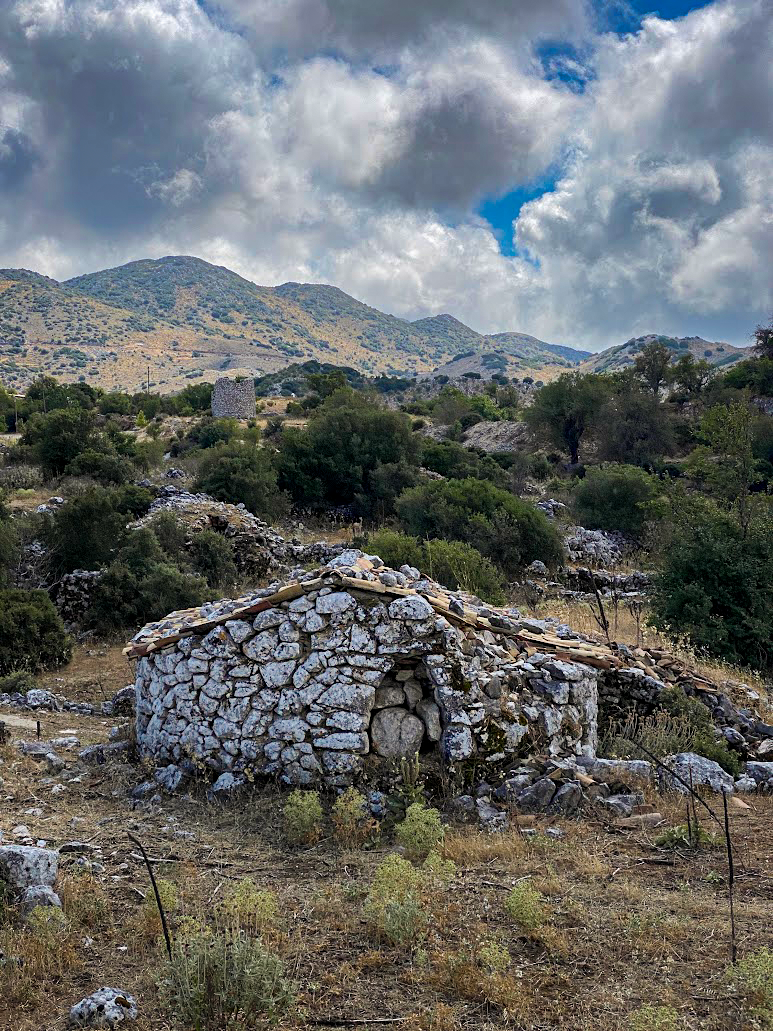
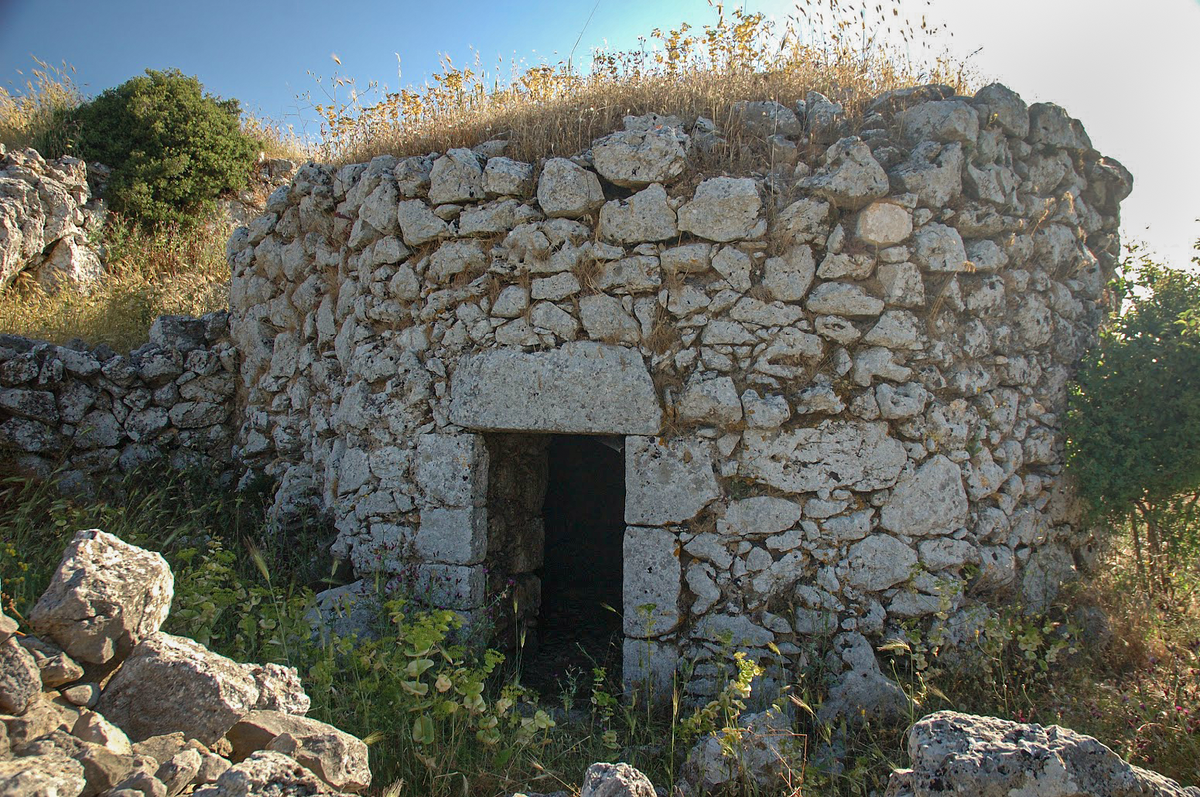
The ascent towards Agios Donatos reveals yet another unexpected feature of the plateau. Scattered among the fields are small, low-set stone structures with domed roofs, solidly built and resembling old stone ovens from the outside. These are the famous Voltoi, among the most distinctive elements of Eglouvi’s cultural heritage. The structures were built to serve the practical needs of those who cultivated the plateau. They were used mainly as temporary shelters and places of rest, as well as for storage, since farmers often spent long periods close to their fields during the summer months.
Together with the threshing floors, wells and traces of old windmills, the Voltoi form the surviving imprint of an entire agrarian society whose daily life was organised around the rhythms and cycles of cultivation. Their precise age has long been a subject of interest both for researchers and in local tradition. The more cautious historical interpretation links them to the periods of Venetian and British rule, although much older theories have also been proposed, including suggestions that their origins may reach back to Homeric times. These older theories, however, remain interpretations rather than firmly established archaeological conclusions. Whatever their exact date, the Voltoi tell a broader and more revealing story: of a time when home and work were closely intertwined, and when agriculture shaped the rhythm of life in an almost all-encompassing way.
August 6: When Eglouvi’s Lentils Become a Celebration
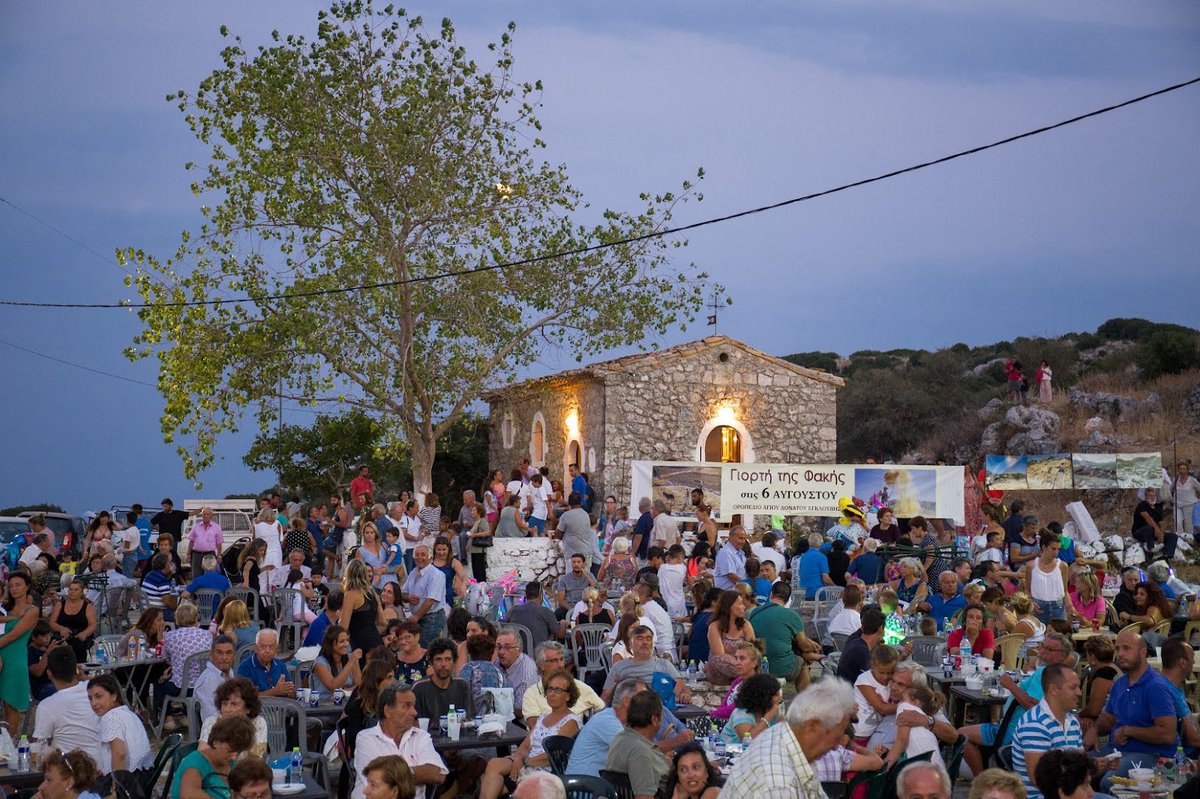
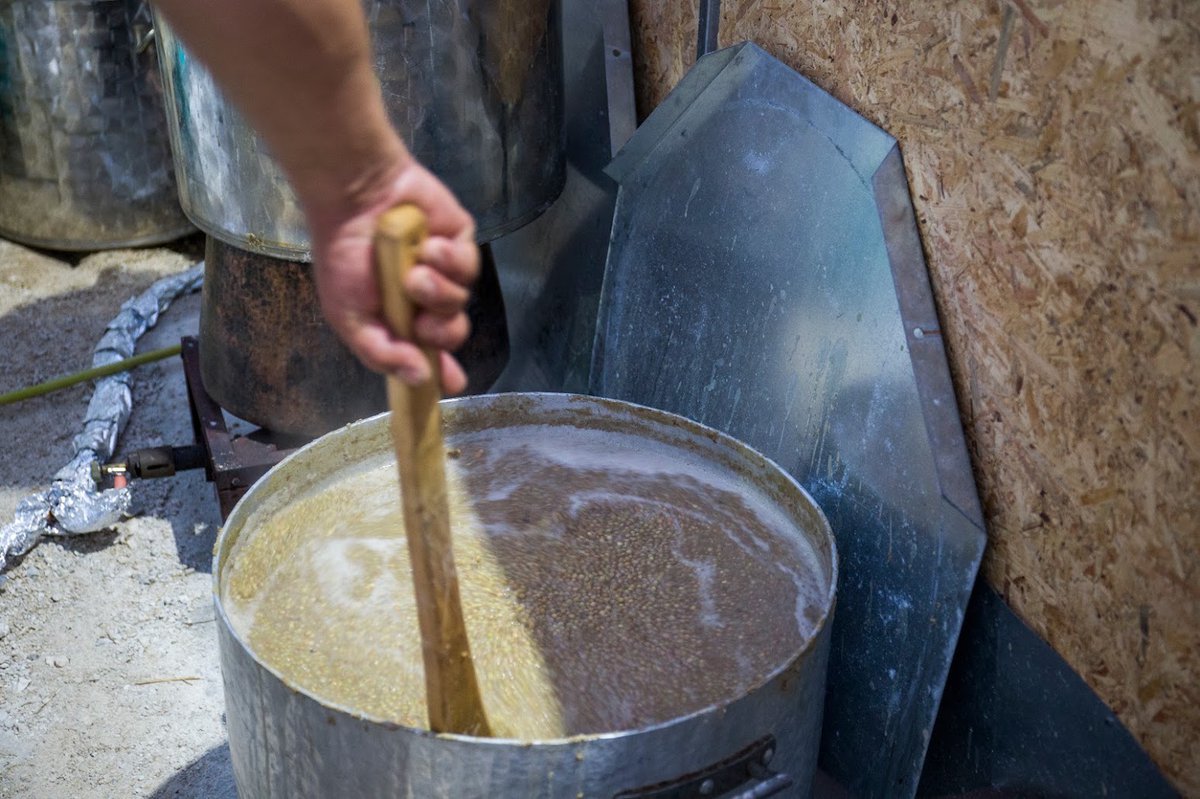
Every year on August 6, on the plateau surrounding the small stone chapel, the Lentil Festival takes place on the eve of the feast day of Agios Donatos. It is one of Lefkada’s best-known and most popular traditional celebrations. Large cauldrons are set up on site and lentils are cooked in the traditional way, before being offered to visitors alongside olives, salted fish and, of course, plenty of wine throughout the festivities.
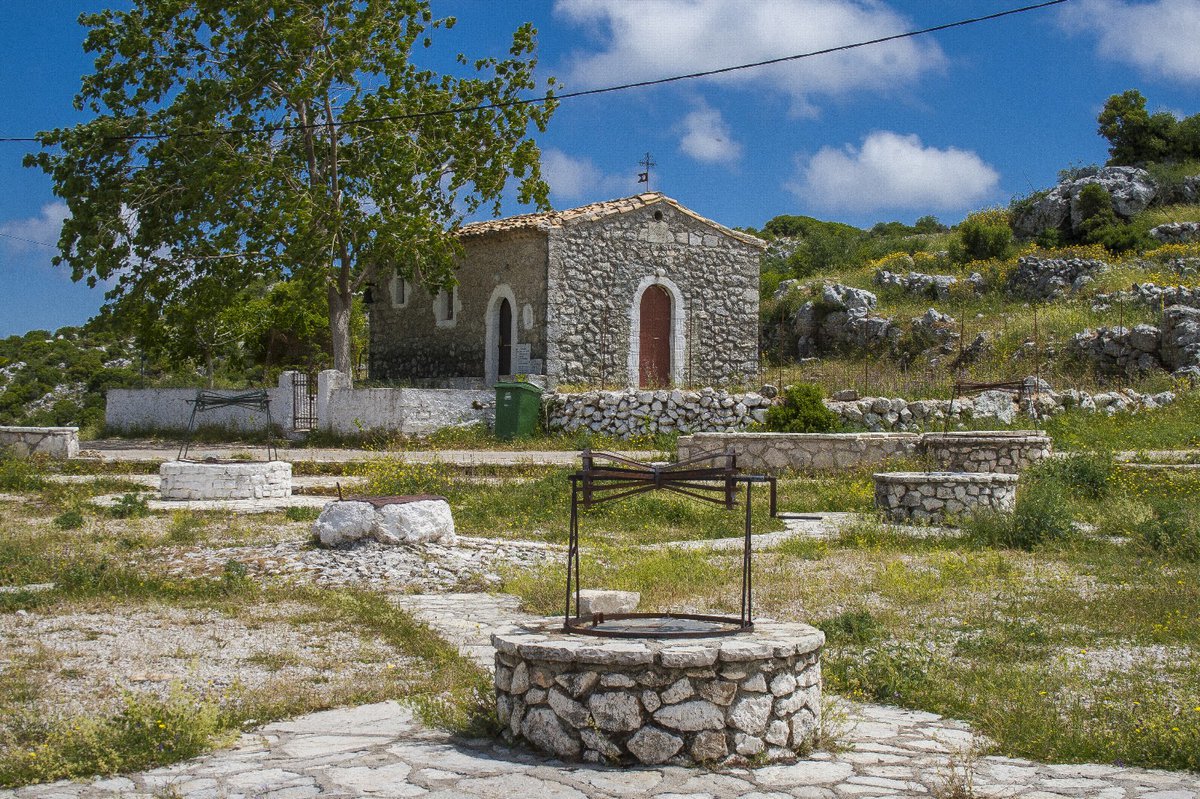
The scene brings together almost every element of Eglouvi’s identity: the fields, the labour, religious tradition, the shared table and the need of a small community to celebrate collectively the completion of another agricultural year. In Eglouvi, after all, gastronomy is not something created for visitors. Above all, it is part of the village’s collective memory.