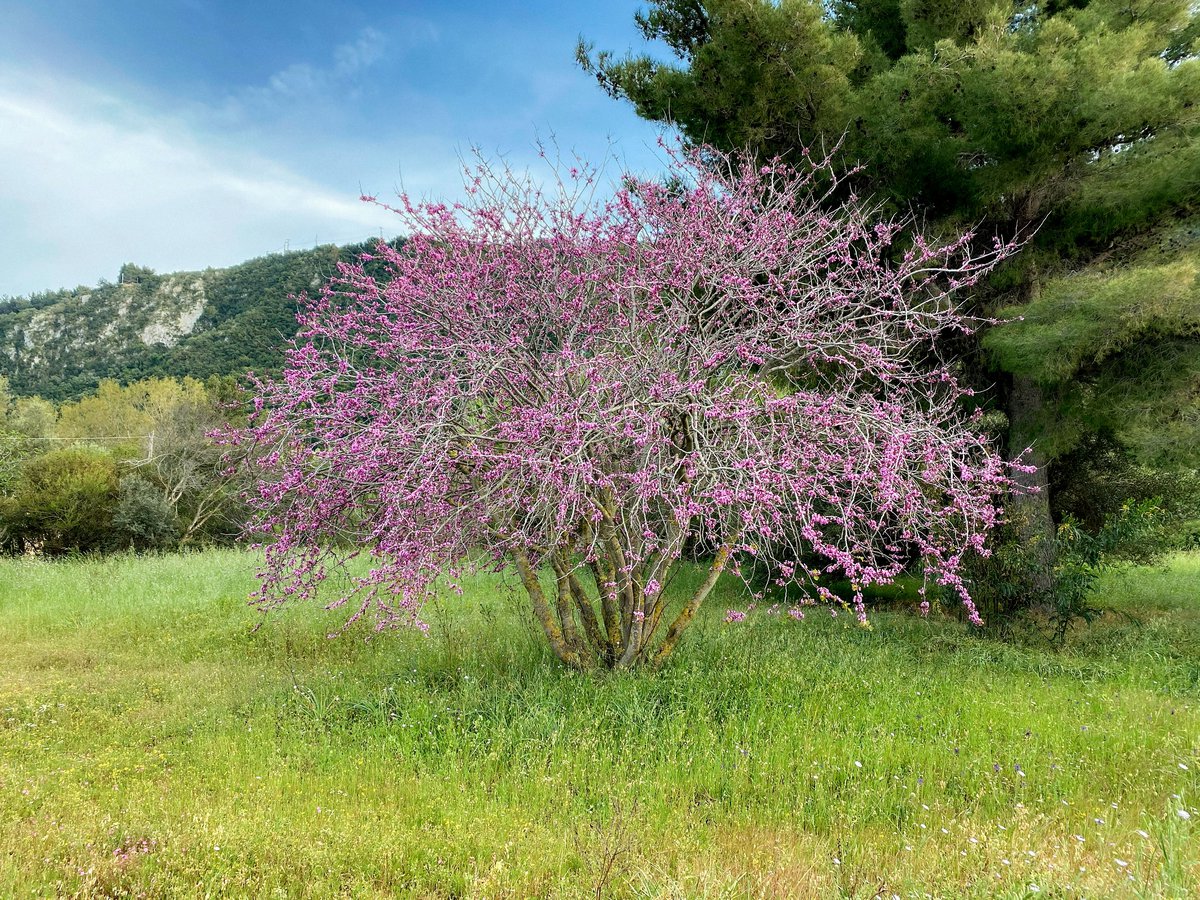
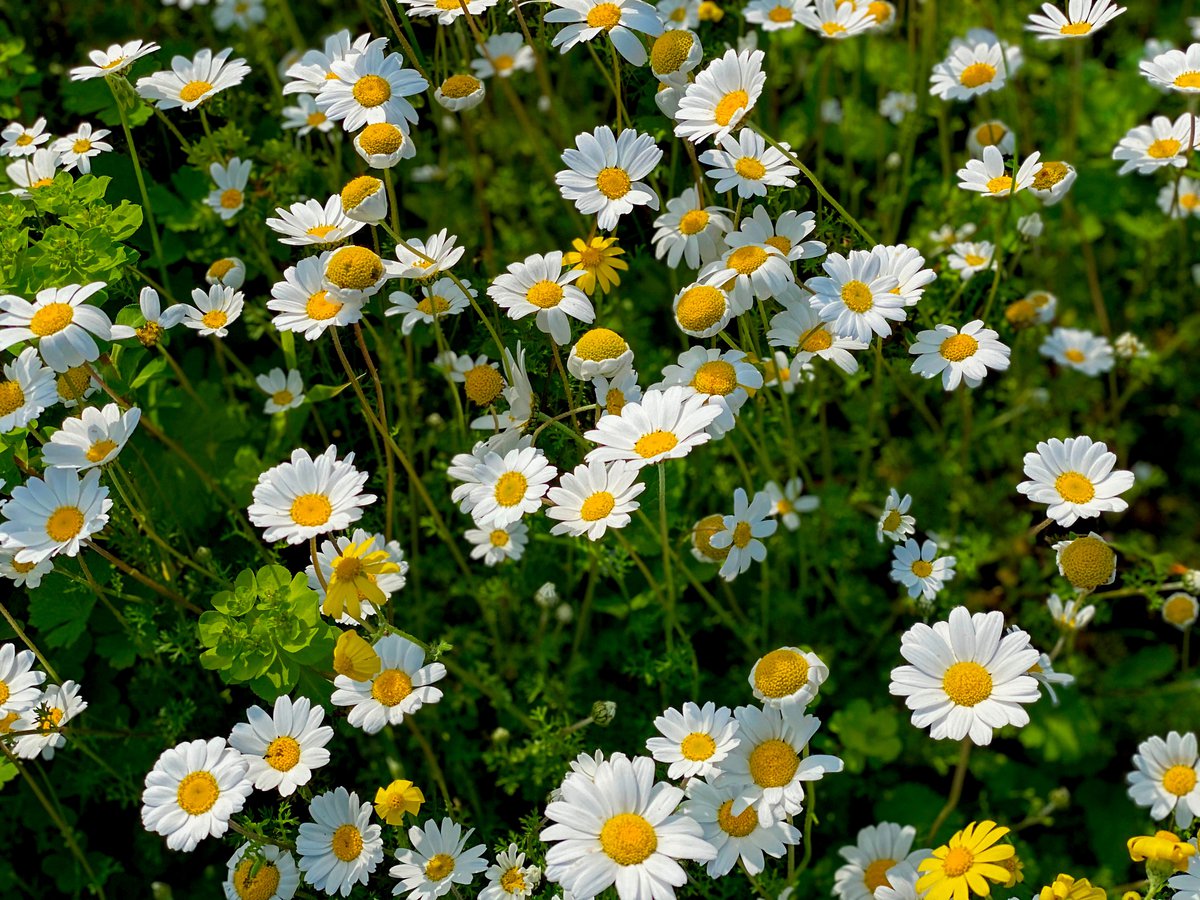
This year’s Easter may fall relatively early, yet for those of us already dreaming of our first spring escape, the countdown has begun. And if there is one destination that reveals its most enchanting side at this time of year, it is undoubtedly Lefkada. Bathed in the light of spring and refreshed by the winter rains, an element that defines the landscape of the Ionian, Lefkada now unveils its gentlest face. Lilacs and Judas trees bring color to its settlements and countryside, while wild herbs subtly perfume the air, enveloping the island in a quiet sense of renewal. Before the height of the summer season begins, the island still retains a rare feeling of balance and calm. And this is precisely when Lefkada wins its visitors over: when it remains lively yet never crowded, striking yet never loud, ready to offer the true essence of a spring getaway without excess.
Among its greatest advantages, of course, is how easy it is to reach. Lefkada is one of those island destinations that gives you the feeling of traveling to an island, without the inconvenience of a ferry journey. Its road access makes it an ideal choice for a comfortable, flexible, and utterly restful spring escape.
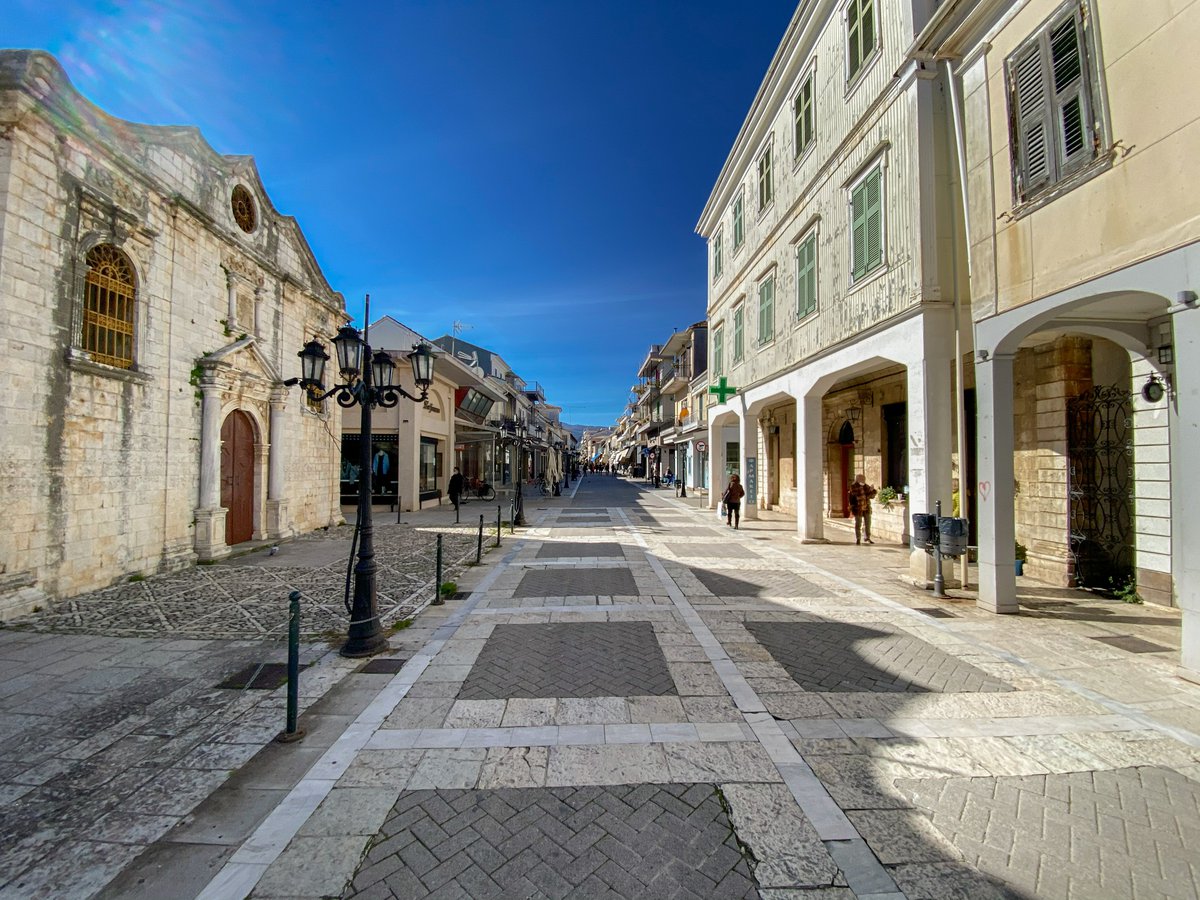
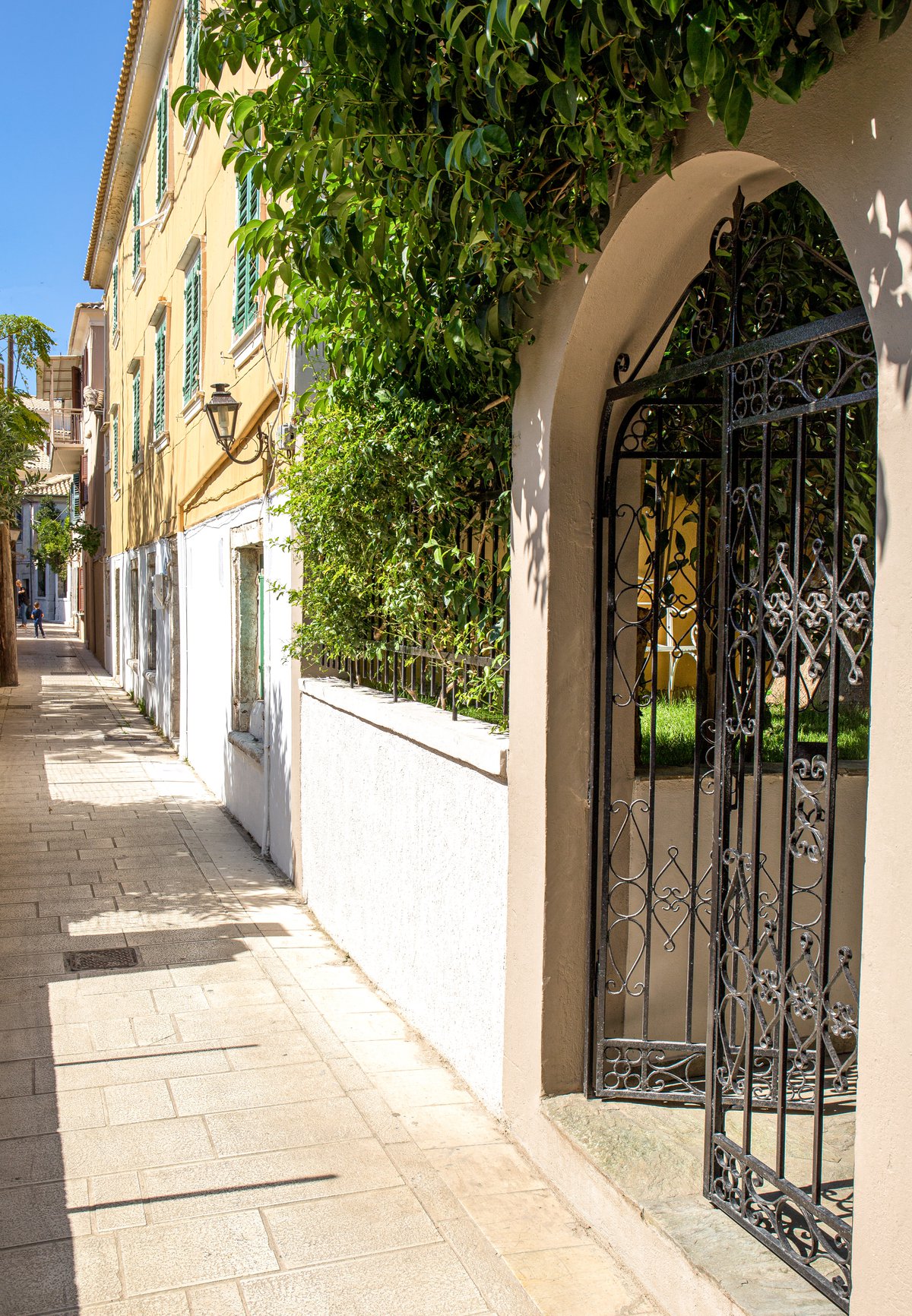
The town itself is an absolute delight at this time of year. The narrow alleys of the historic center invite visitors to slow, leisurely strolls, while every corner reveals carefully tended courtyards fragrant with jasmine, little houses nestled tightly together as though whispering stories from another era, and beautifully kept churches with ornate iconostases and exquisite examples of Heptanesian iconography that perfectly complete the town’s distinctive atmosphere.
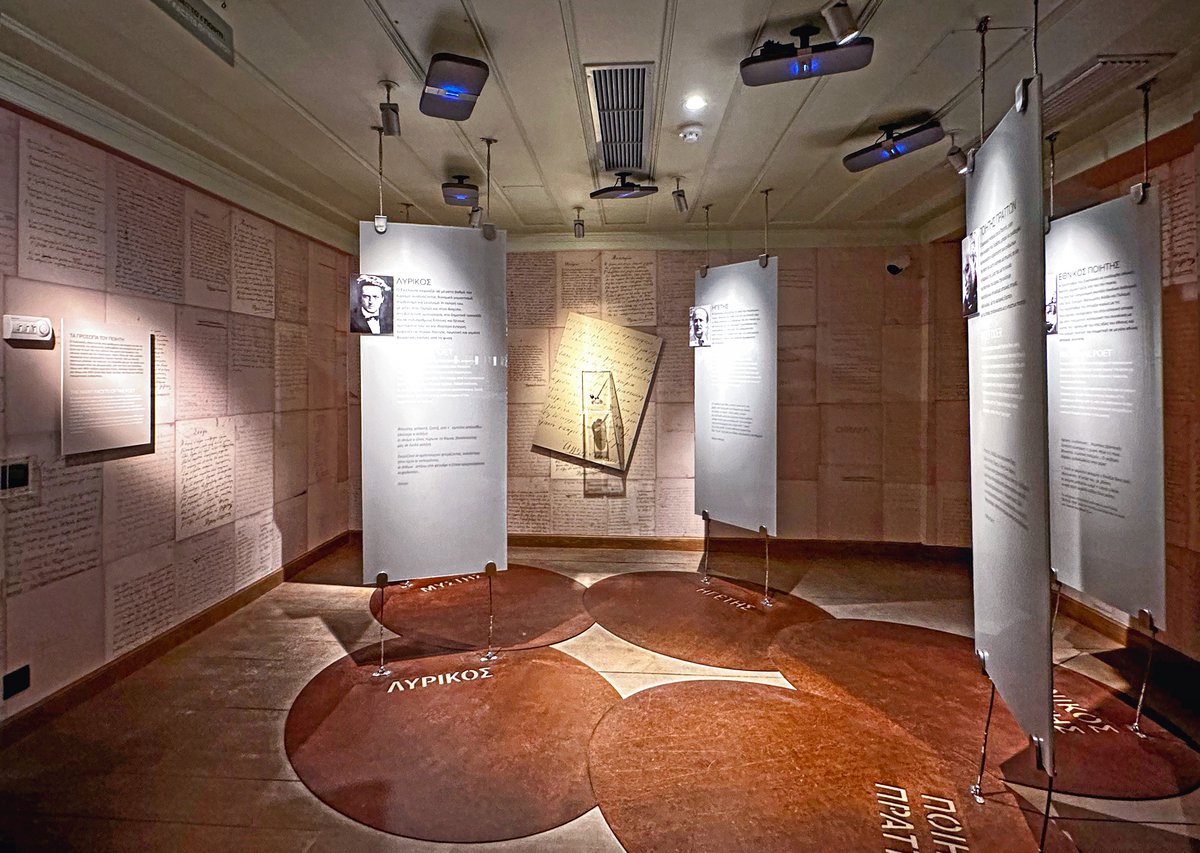
For culture lovers, the town’s museums-from the Archaeological Museum to the Angelos Sikelianos Museum-make an ideal first stop for anyone wishing to become acquainted with the island’s history and cultural identity, shedding meaningful light on both its past and its intellectual legacy.
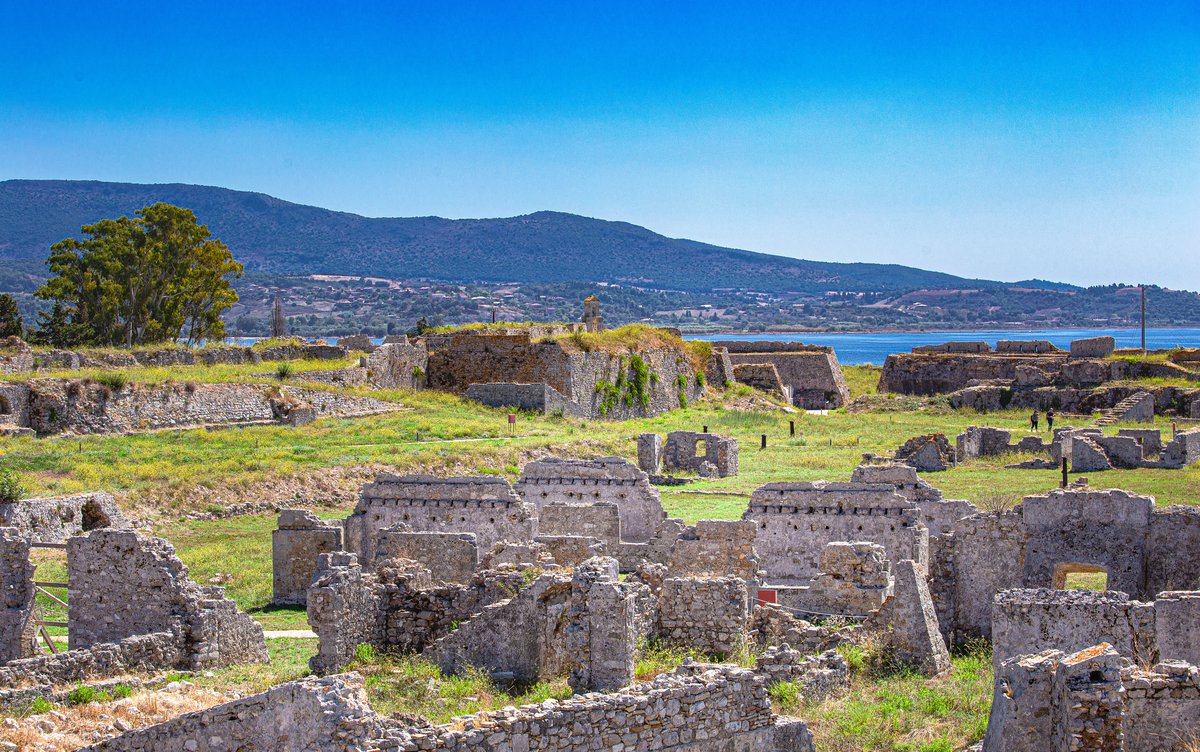
For those who enjoy walking routes, the Castle of Agia Mavra is a stop not to be missed. Standing at the entrance to the town, imposing and silent, it seems like Lefkada’s guardian, ready to narrate the island’s eventful history through its mere presence alone. The walk from the town center takes around 15 to 20 minutes and unfolds into one of the loveliest strolls on the island. The lagoon stretches alongside the road, the light of the Ionian landscape reflects on the water, and the experience is further enriched by the area’s remarkable birdlife, which lends the setting a sense of living, natural harmony. Once you reach the castle itself, the scene becomes even more captivating: at this time of year, amid blooming poppies and the freshness of spring vegetation, the historic monument seems almost softened, without losing any of its grandeur.
And when the time comes to make your way back, the town wins you over once again with its relaxed, human side: the languid rhythm of the evening promenade, the voices of locals, the teasing banter, and that unpretentious sense of ease that makes the Ionian Islands so distinctive.
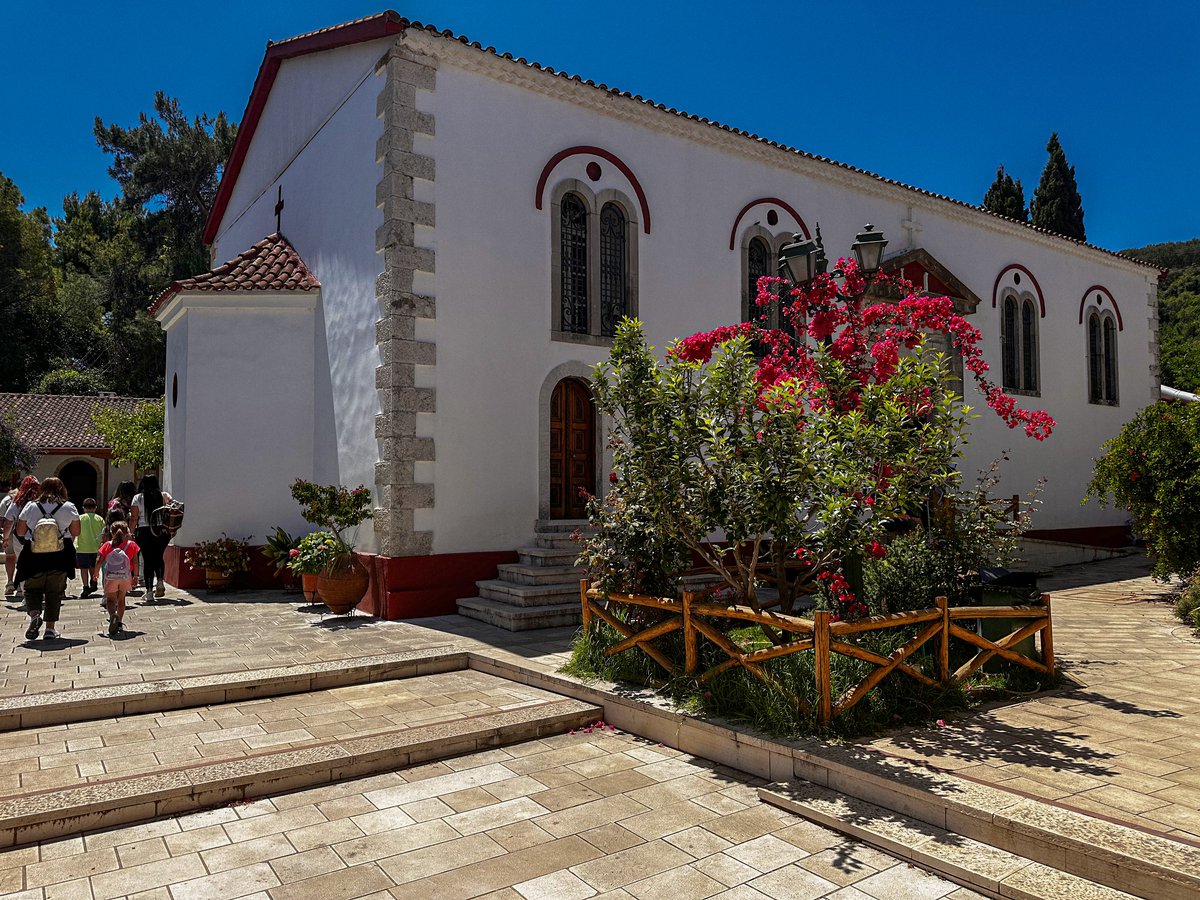
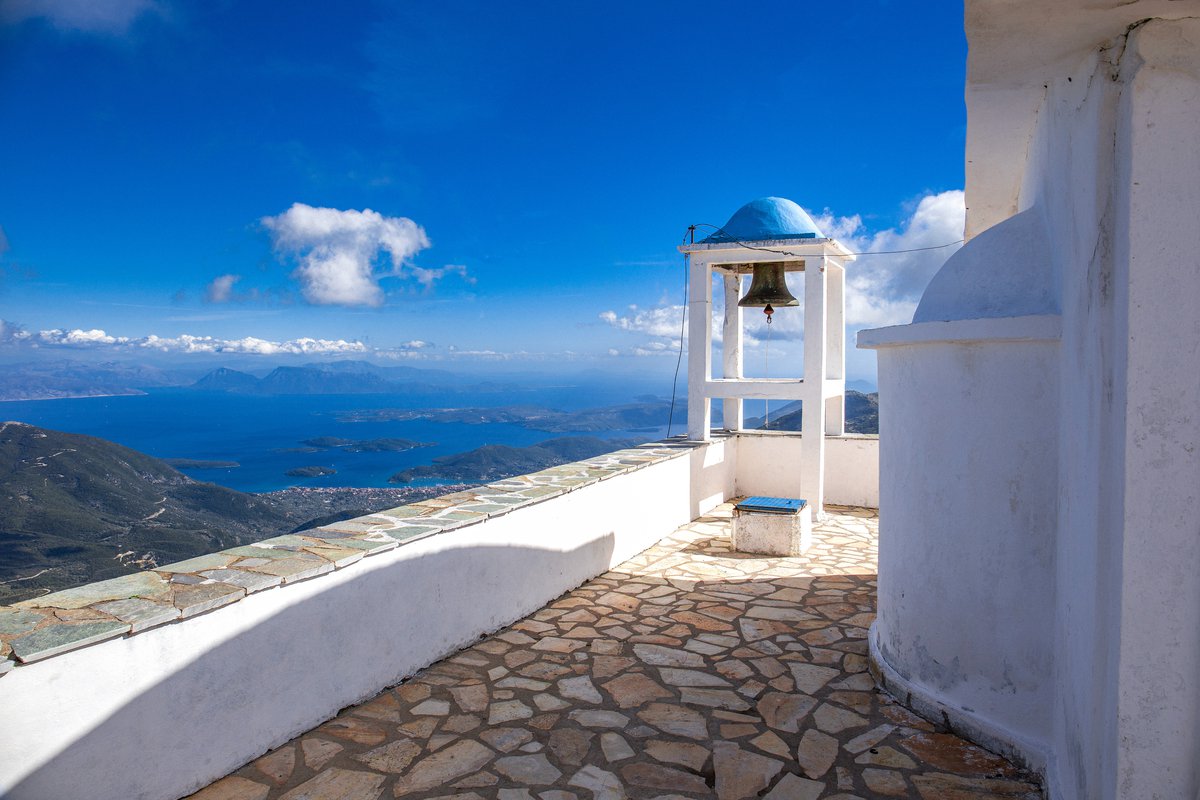
The next essential stop is the Monastery of Faneromeni, the patron saint and protector of Lefkada, which is almost inseparable from any visit to the island-and with good reason. Beyond its deep spiritual and historical significance for the place, it also stands out for its privileged location. With views that leave you spellbound and an atmosphere of profound serenity, Faneromeni offers visitors an experience that feels almost mystical, one that is difficult to compare with anything else.
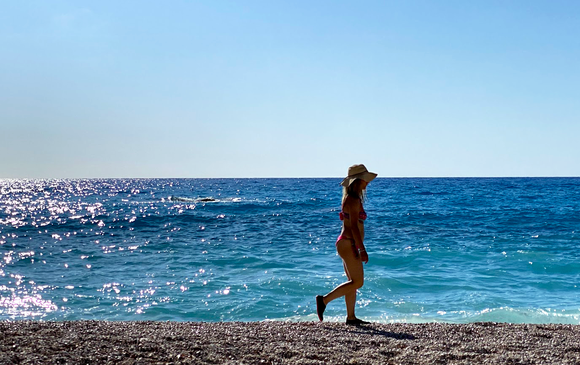
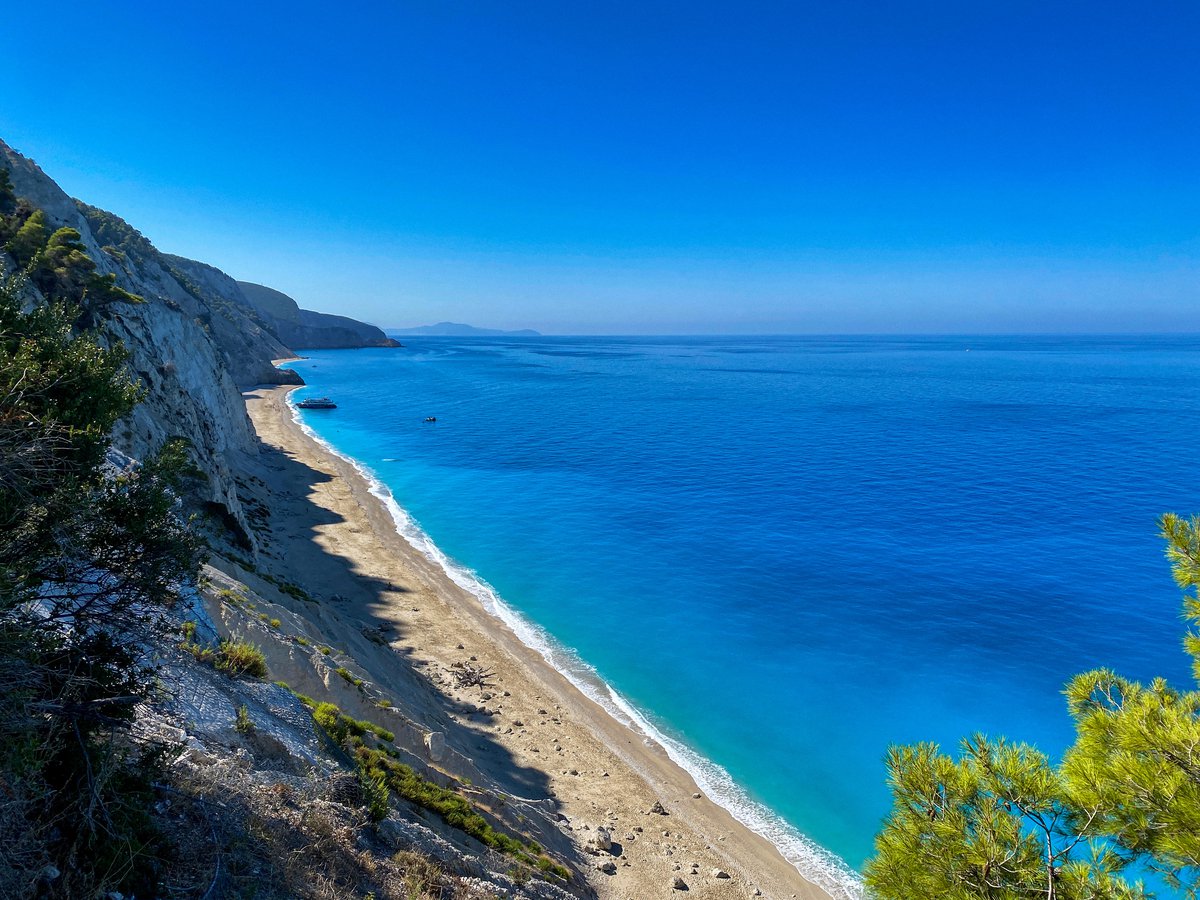
Naturally, no springtime wandering in Lefkada would be complete without its iconic beaches along the western coastline, which at this time of year reveal their most atmospheric and unpretentious side. Swimming may still be reserved for the hardiest, as the waters remain very cold, but the landscape alone is enough to justify the journey.
At Porto Katsiki, Egremni, Kathisma, and the rest of western Lefkada’s shores, the grandeur of nature reveals itself without distraction. Far removed from the crowds of summer, the beaches appear almost untouched, bathed in a light that uniquely accentuates the contrasts of the landscape: the white cliffs, the turquoise waters of the Ionian, and the deep green spread across the slopes. The result is a setting of extraordinary photogenic beauty, ideal for slow walks, silent observation, and countless photographs.
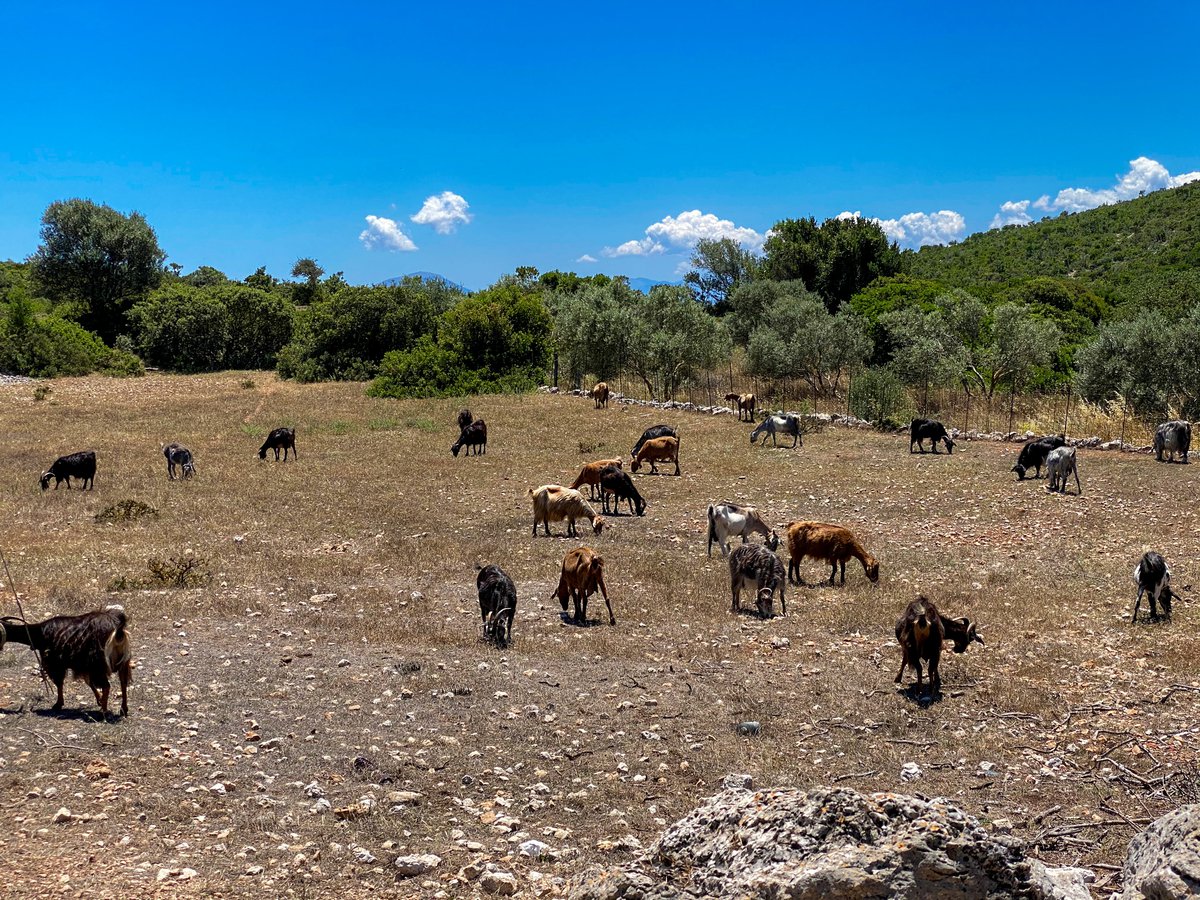
Then comes a journey into mountainous Lefkada. Villages such as Exanthia, Karya, and Eglouvi preserve a disarming simplicity that feels particularly precious today. The eye is treated to stone-built houses, narrow and beautiful lanes, small squares shaded by plane trees, and cafés that open from early in the morning. Here, nothing feels contrived; instead, what prevails is the quiet certainty of a life closely bound to the landscape, the seasons, and the small habits of everyday life.
Five alpine villages in Lefkada you’ll fall in love with
Discovering Alexandros, a unique Lefkadian village
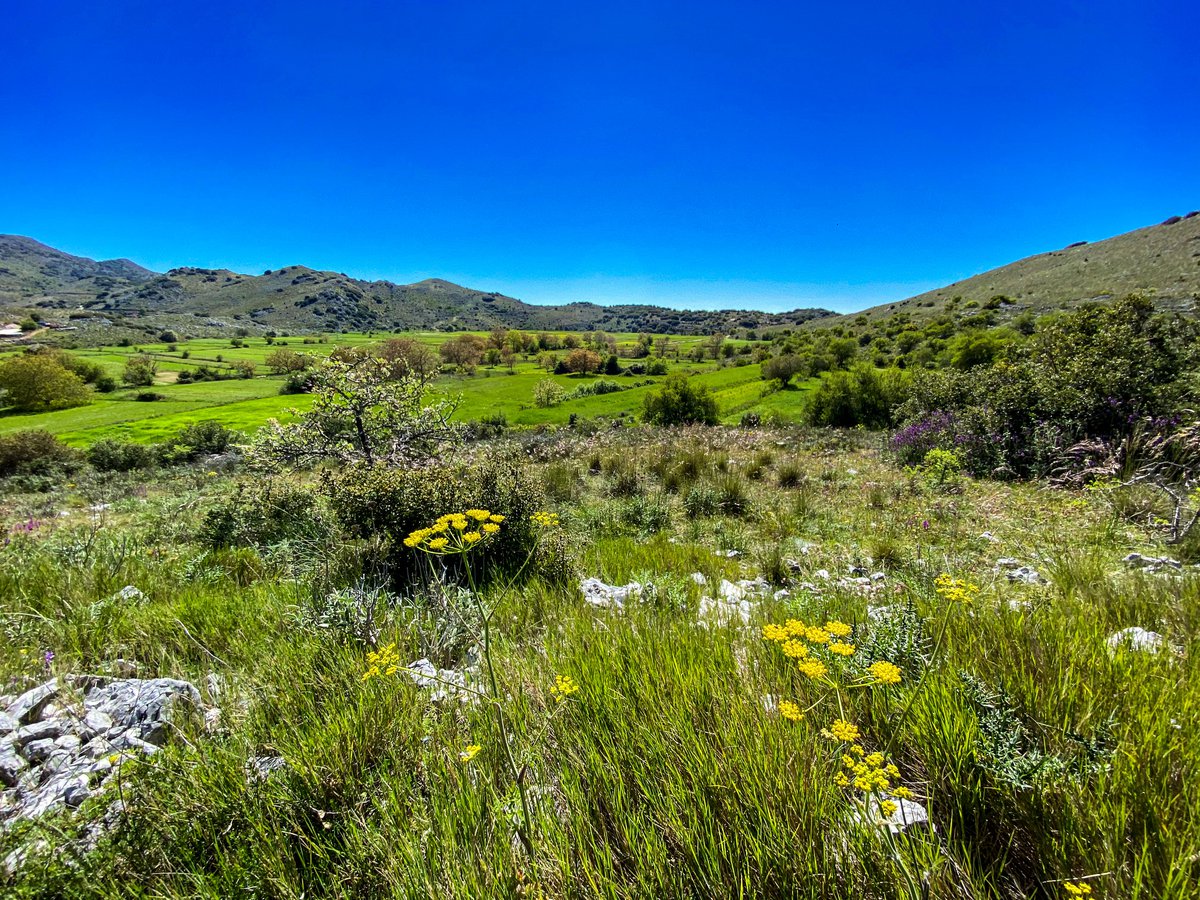
For those who love hiking, the route from Eglouvi to Karya, ascending as far as the little church of Prophet Elias, is one of those experiences not easily forgotten. The spot, with its uninterrupted views in every direction, rewards visitors generously, offering a sweeping panorama of the Lefkadian landscape: olive groves, rocky slopes, scattered settlements, and, in the distance, the sea come together in a scene that continually shifts in character without ever losing its coherence.
The route itself perfectly encapsulates the character of mountainous Lefkada. Old footpaths, dry-stone walls, cultivated land, and untamed bursts of nature coexist in a landscape that feels authentic and almost unexplored. And perhaps that is precisely where the essence of spring on the island lies: in the opportunity to discover not only its famous images, but also its quieter, more inward-looking side—a Lefkada less touristic, more grounded, and therefore more real.
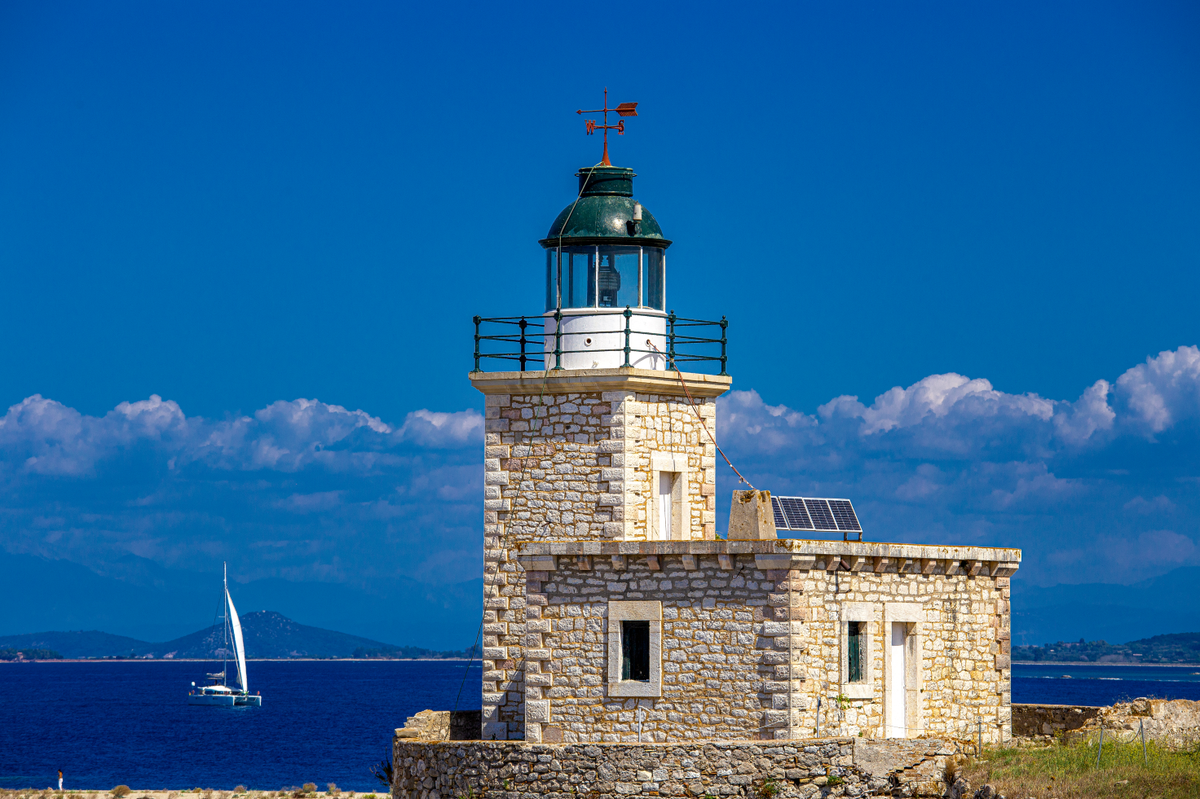
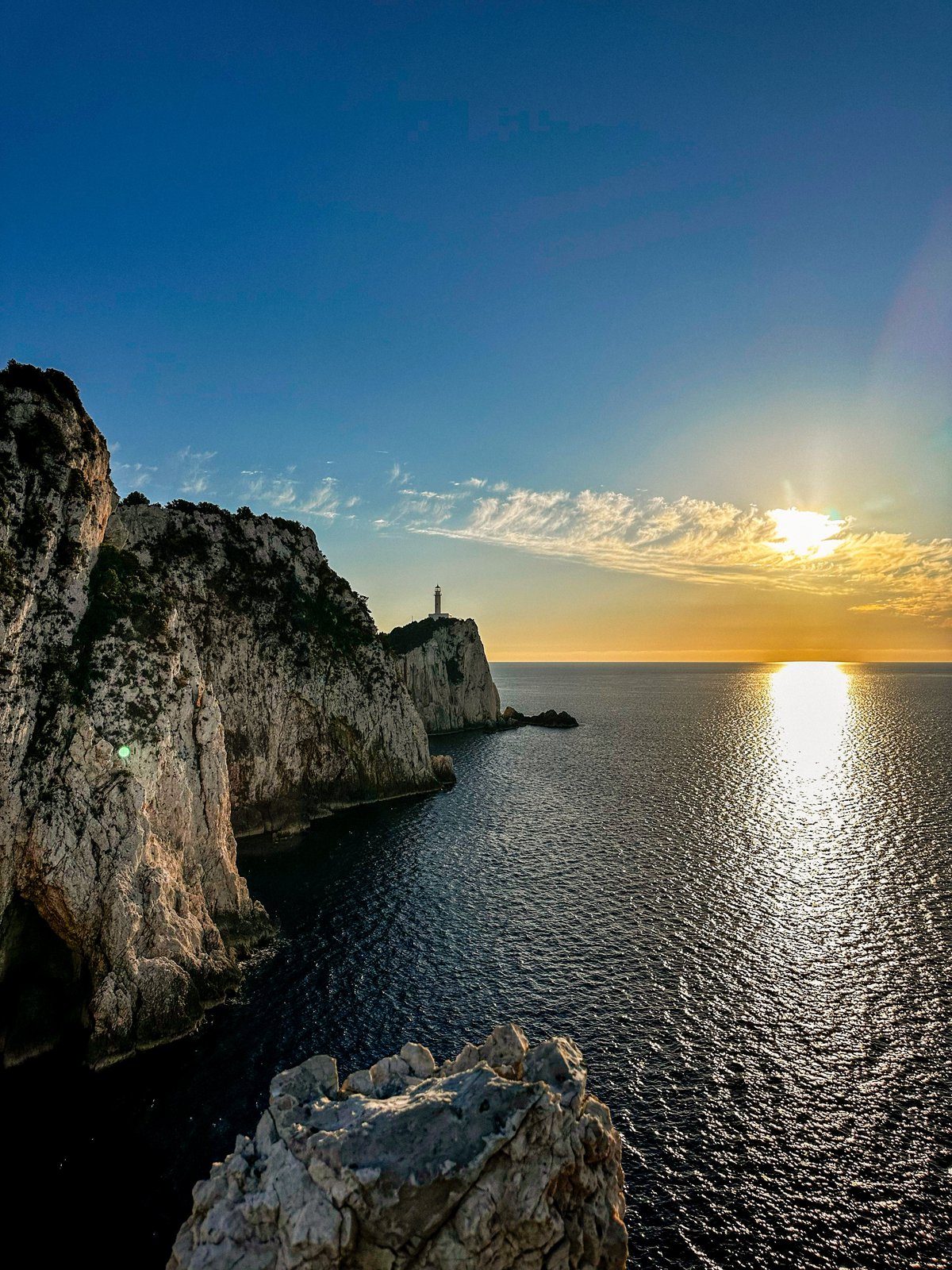
If you feel like discovering a wilder side of Lefkada, it is worth heading to the island’s southernmost tip, Cape Lefkatas, also known as Cape Kyras. With its white cliffs plunging abruptly into the sea and the lighthouse standing there since 1890, the landscape exudes an otherworldly stillness that is difficult to put into words. It is a place where legend, history, and the raw beauty of the natural setting coexist in an almost haunting way, offering visitors an experience that reaches its peak especially at sunset.
In the end, spring in Lefkada is a promise: a promise of peace, of reconnection with nature, and of a more meaningful encounter with the island. It is the season when Lefkada does not try to impress—and for that very reason, it succeeds in doing so in the most authentic way possible.
Photos: Andreas Thermos